Understanding Nitrogen Narcosis
Master the depths with knowledge and safety. Learn about the 'Martini Effect' and how to manage it responsibly.
The Martini Effect: Understanding Nitrogen Narcosis
Nitrogen narcosis is a phenomenon that occurs when a diver breathes compressed air at increased depths, typically becoming noticeable below 30 meters (100 feet). It is often referred to as the "Martini Effect" because its cognitive effects are remarkably similar to alcohol intoxication.
What causes narcosis at depth?
The biological mechanism is simple: at high partial pressures, nitrogen dissolves into the fatty tissues of our nerve cells. This alters the transmission of signals across synapses, leading to a state of euphoria, slowed reaction times, and impaired judgment. While not physically harmful in itself, the resulting loss of awareness is a significant safety risk in an underwater environment.
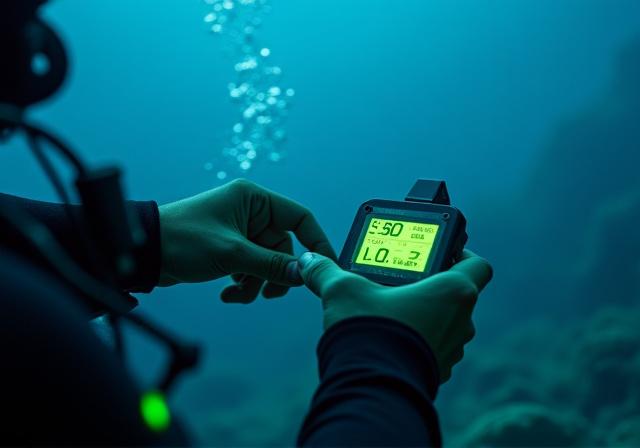
Symptoms to watch for
- In yourself: Unwarranted euphoria, lightheadedness, delayed response to gauges, and a feeling of "distance" from reality.
- In your buddy: Glassy eyes, erratic breathing, unusual movements, or failure to respond to standard hand signals.
- Advanced symptoms: Confusion, anxiety, or fixation on a single task while ignoring safety parameters.
How to Manage Narcosis
The solution is remarkably simple: Ascend immediately. Because narcosis is a direct result of pressure, ascending just a few meters is often enough to clear the fog. Once your head is clear, you and your buddy should reassess the dive plan. If symptoms persist, end the dive safely.
Don't let it stop your Advanced Open Water
Nitrogen narcosis is a natural part of deep diving, and learning to recognize it is a core part of your Advanced Open Water training. Rather than a reason to avoid deep sites, it is a skill to be managed. Understanding your personal threshold allows you to explore deeper wrecks and reefs with confidence and professional safety protocols.